
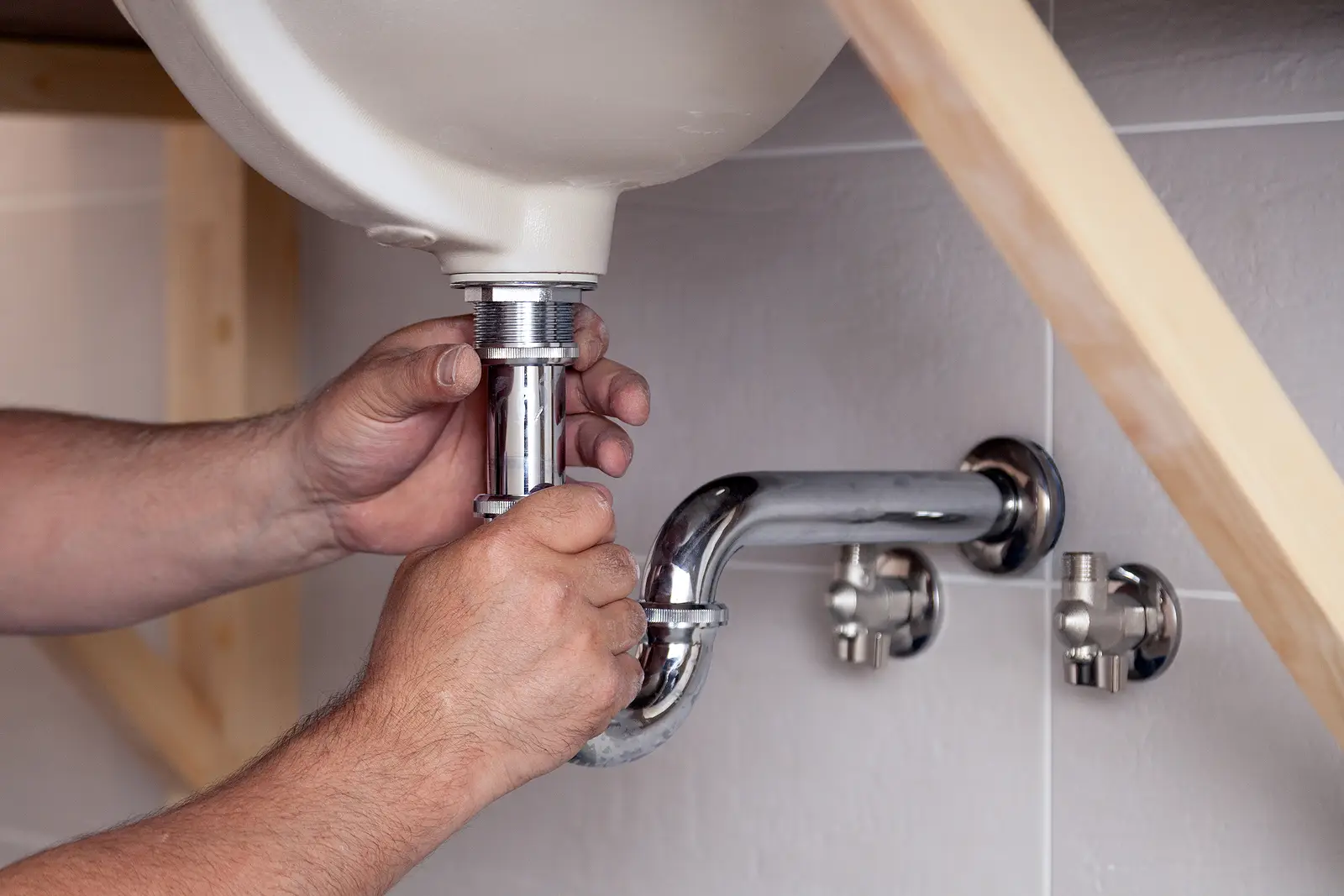
A repair gets handled, everything seems fine, and then the same issue shows up again. At first, it feels like bad timing. After a while, it becomes a pattern that starts affecting how your rental performs. These repeated problems signal something underneath that needs attention. Taking a closer look at your tenant concern strategies can help you understand how recurring issues begin and why they keep coming back.
Key Takeaways
- Recurring minor repairs often point to deeper, unresolved system issues
- Repeated fixes increase maintenance expenses over time
- Delayed upgrades lead to more frequent breakdowns and inefficiency
- Reliable maintenance improves tenant satisfaction and retention
- Tracking repair patterns helps prevent ongoing disruptions
Why Recurring Repairs Should Not Be Overlooked
Recurring repairs rarely happen without a reason. When the same issue appears multiple times, it often means the original fix did not fully address the cause. Treating each repair as a separate event makes it harder to see the larger picture.
In Columbia’s residential rental market, aging systems, installation gaps, and wear over time often contribute to repeated issues. Identifying patterns early helps prevent small problems from becoming larger and more expensive.
What repeated issues often reveal
- Repairs that return shortly after being completed
- Similar problems appearing across multiple units
- Fixes that provide only temporary relief
Recognizing these patterns allows you to shift from short-term fixes to long-term solutions that improve overall performance.
The Growing Cost of Repeated Repairs
Small repairs can feel manageable individually, but repeated service calls quickly add up. Each visit includes labor, materials, and scheduling time, all of which contribute to rising expenses.
The U.S. Census Bureau reports that median housing costs reached $2,035 in 2024, reflecting how ongoing expenses continue to increase. Recurring maintenance plays a key role in these rising costs.
Why repeat repairs become expensive
Each repair may seem minor, but the cumulative cost of repeated visits can exceed the price of a permanent solution. Over time, this creates a cycle of spending without improving the property.
Evaluating your approach with insights like eco upgrade benefits can help you reduce long-term expenses by focusing on efficiency improvements.
The problem with short-term fixes
Temporary repairs often address visible symptoms without solving the underlying issue. This leads to repeated breakdowns and additional service calls, increasing overall costs.
Why Delaying Upgrades Leads to More Repairs
Delaying system upgrades may feel like a way to manage costs, but it often results in more frequent repairs and higher long-term expenses. Older systems become less reliable and more prone to failure.
As equipment ages, it loses efficiency and requires more attention. This creates ongoing disruptions that affect both operations and tenant comfort.
Effects of delaying upgrades
- Increased frequency of maintenance calls
- Higher utility costs due to inefficiency
- Greater risk of unexpected breakdowns
The Federal Reserve Bank of Philadelphia estimates that housing repair needs reached $198.4 billion in a single year, highlighting how unresolved maintenance issues contribute to widespread costs.
Planning ahead with insights from smart rental budgeting can help you prepare for these challenges while maintaining financial stability.
How Recurring Repairs Affect Tenant Experience
Tenants expect repairs to be completed the first time properly. When issues return, it creates frustration and reduces confidence in the property.
Repeated disruptions can affect daily routines and lead tenants to question the reliability of their living environment.
Signs tenant satisfaction may decline
- Frequent complaints about the same issue
- Frustration during repeated maintenance visits
- Concerns about long-term reliability
Addressing problems thoroughly helps build trust and creates a more stable experience for tenants.
The Connection Between Maintenance and Tenant Retention
Reliable maintenance is a major factor in whether tenants choose to stay. When issues are handled correctly, tenants feel more comfortable renewing their leases.
Recurring problems can lead to dissatisfaction and increase the likelihood of turnover. This creates additional costs related to vacancies, marketing, and tenant onboarding.
Why consistent maintenance matters
- Encourages long-term tenancy
- Reduces vacancy-related costs
- Supports a stable rental environment
Using tools like a rental analysis report can help you evaluate how maintenance issues impact retention and overall performance.
Creating a Proactive Maintenance Strategy
A proactive maintenance approach helps prevent recurring problems before they begin. Instead of reacting to issues, you create systems that reduce their likelihood.
Steps to improve your maintenance plan
- Schedule regular inspections to identify early signs of wear
- Track repair history to recognize recurring patterns
- Address root causes instead of repeating temporary fixes
Using tools like financial tracking tools helps you monitor maintenance expenses and make informed decisions.
Staying organized improves efficiency
Keeping maintenance organized ensures that issues are properly tracked and resolved. Access to owner support resources allows you to stay ahead of recurring problems and maintain consistency.
Professional maintenance service support ensures repairs are handled correctly, reducing the likelihood of repeat issues.
Long-term advantages of proactive maintenance
When you take a proactive approach, you reduce disruptions, control costs, and improve tenant satisfaction. Over time, this creates a more efficient and reliable rental operation that supports long-term success.
Strengthening Property Performance Through Smarter Decisions
Recurring repairs influence the overall performance of your property. Making informed decisions about repairs, upgrades, and maintenance planning can improve efficiency and reduce long-term costs.
Evaluating your property regularly allows you to identify areas where improvements can have the greatest impact. Small changes, when applied consistently, can lead to significant long-term benefits.
Practical ways to improve performance
- Invest in durable materials and systems
- Prioritize preventive maintenance over reactive repairs
- Monitor repair trends to guide decision-making
These strategies help create a more stable property that requires fewer repairs and delivers a better experience for tenants.
FAQs about Recurring Minor Repairs and Rental Property Efficiency in Columbia, SC
What types of recurring repairs are most common in residential rentals?
Plumbing clogs, HVAC malfunctions, and electrical issues are among the most common recurring problems. These often stem from aging systems or incomplete repairs, which cause the same issue to resurface over time.
How do recurring repairs affect long-term property expenses?
Repeated repairs increase cumulative costs by requiring multiple service visits, materials, and labor. Over time, these expenses can surpass the cost of a permanent solution, reducing overall profitability and financial stability.
Can recurring maintenance issues lower property value?
Yes, ongoing maintenance problems can reduce property value by increasing operational costs and signaling poor upkeep. Buyers and investors may view frequent repairs as a sign of deeper structural or system-related concerns.
What role does preventive maintenance play in avoiding repeat issues?
Preventive maintenance helps identify potential problems before they worsen. Regular inspections and timely servicing reduce the likelihood of recurring repairs and extend the lifespan of major systems within the property.
How can better vendor management reduce recurring repair problems?
Working with reliable and experienced vendors ensures repairs are completed the first time correctly. Quality workmanship reduces the chances of repeat issues and helps maintain consistent property performance over time.
Create Lasting Stability for Your Columbia Rental Property
Repeated repairs can gradually affect your property’s efficiency, increase expenses, and create frustration for tenants. Taking a structured approach to maintenance helps you stay ahead of these challenges and improve long-term results.
At PMI Soda City, we focus on identifying the true causes behind recurring problems and implementing solutions that hold up over time. With a clear maintenance plan in place, your property becomes more reliable and easier to manage. If you are ready to reduce repeated issues and improve performance, eliminate repeat repair cycles with us today.
